About Vernacular Works
Vernacular Works is a hybrid architecture practice, working with our minds and our hands to create beautiful Buildings, Furniture, Interiors and Objects that tread lightly on the Earth. We are a full-service architecture studio with fabrication capacity for special elements, considering the ample resources we have in proximity and deploying them with rigor and care to fit the specific needs of each project.
We strive towards a bioregional, circular and inclusive future that considers the labor, provenance and environmental performance of what constitutes our work. Vernacular Works are committed to making more with less, championing re-use, adaptation and retrofitting without compromising on aesthetic quality. To achieve this, we are highly collaborative in our approach, working closely with environmental engineers, skilled craftsmen and local suppliers to deliver high performing, low carbon buildings that will serve generations to come.
We look forward to working with you. For enquiries large or small email: max@vernacular.works

Vernacular Architecture
Definition: A type of local or regional construction, using traditional materials and resources from the area where the building is located.
This term has been typically used to describe rural, primitive structures and craft practices, but what if these ideas can be resuscitated in a context like New York? What types of design can evolve when we build with what we've got?
Established in 2022 by Max Dowd
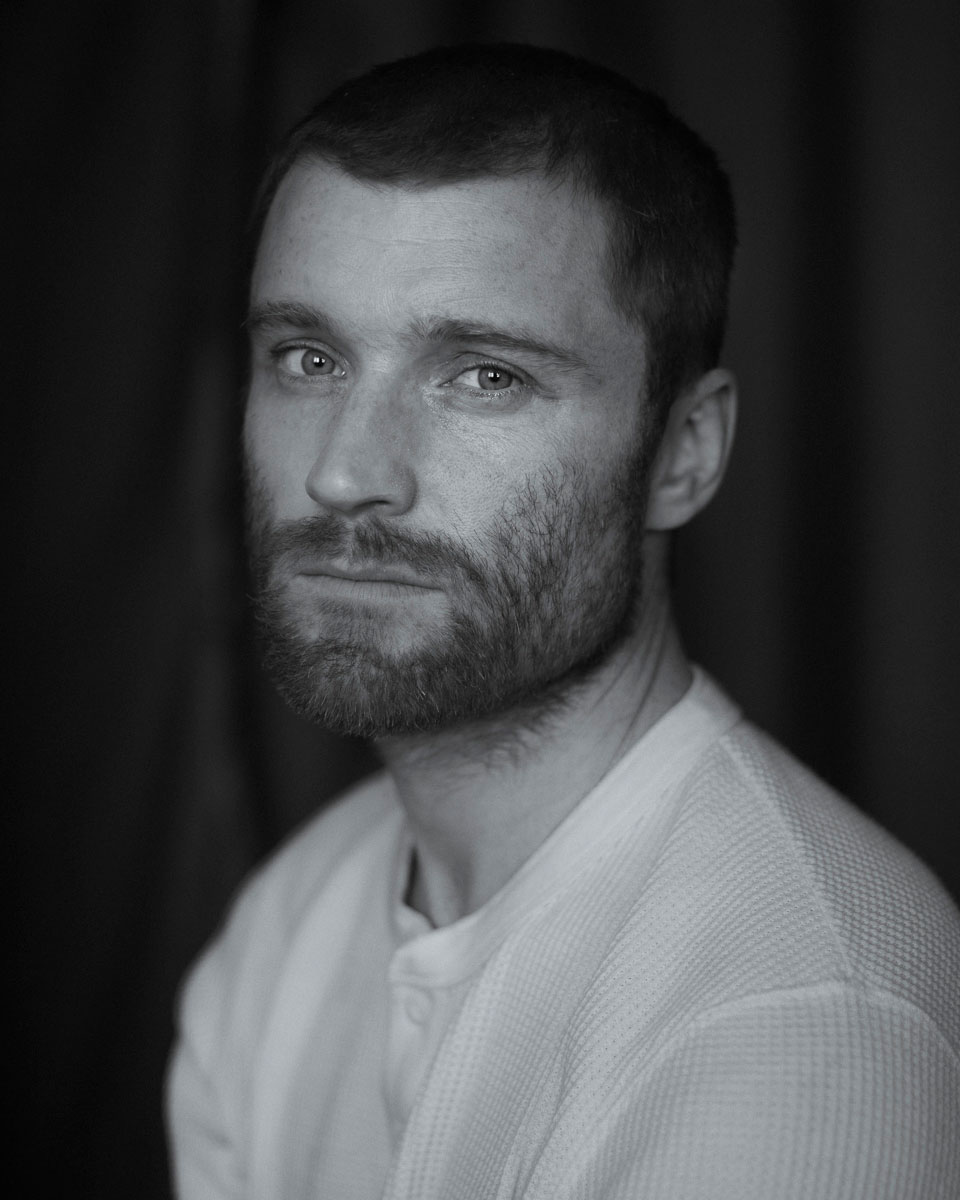
Max Dowd
Founder/Director
Max studied architecture at The Cooper Union and Bartlett School of Architecture, London. Prior to setting up Vernacular works in 2022 he worked at several renowned architectural firms including Rogers Stirk Harbour, MASS design group and Grimshaw Architects with notable projects include the Macallan Whisky Distillery, World Expo Sustainability Pavilion and the Institute of Sustainability, ASU. In 2018 Max won the City of Dreams Competition to design and build a pavilion on Governor’s Island built entirely from waste. He has lectured at the Cooper Union, Pratt Institute, Rensselaer Polytechnic and the University of Calgary and continues his own research practice focusing on circular design, embodied carbon and emerging biogenic material technologies.